In recent weeks, teachers have been putting up posters in classrooms, revising lesson plans and organizing materials. This is all in preparation for an upcoming visit from the Western Association of Schools and Colleges (WASC) from April 27-29.
WASC is a nonprofit organization and one of six regional accrediting agencies in the United States. Its role is to evaluate schools and ensure they are meeting educational standards in areas such as instruction, student achievement, campus culture and leadership. WASC accreditation allows students to earn diplomas recognized by colleges and universities.
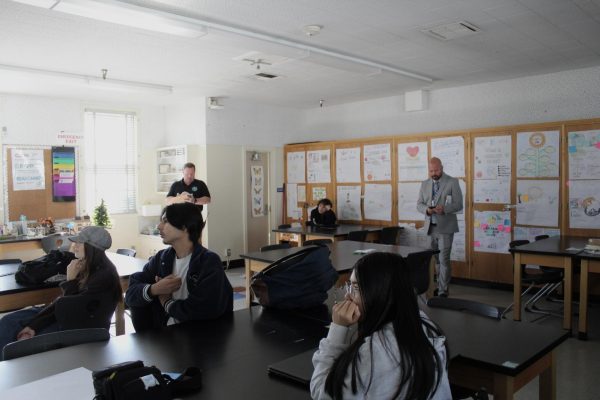
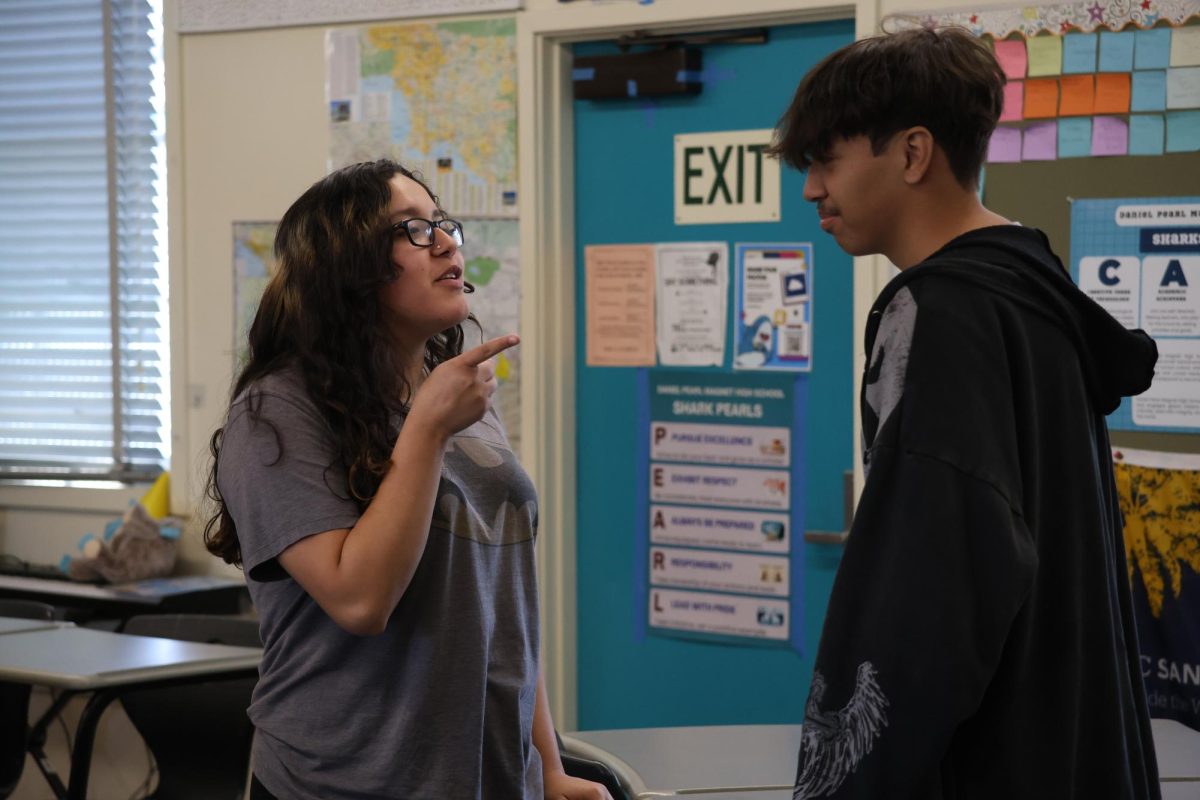
“I’ve been cleaning up my classroom, making it nice and pretty, making sure my walls have all of the student work up,” science teacher Ani Zohrabyan said.
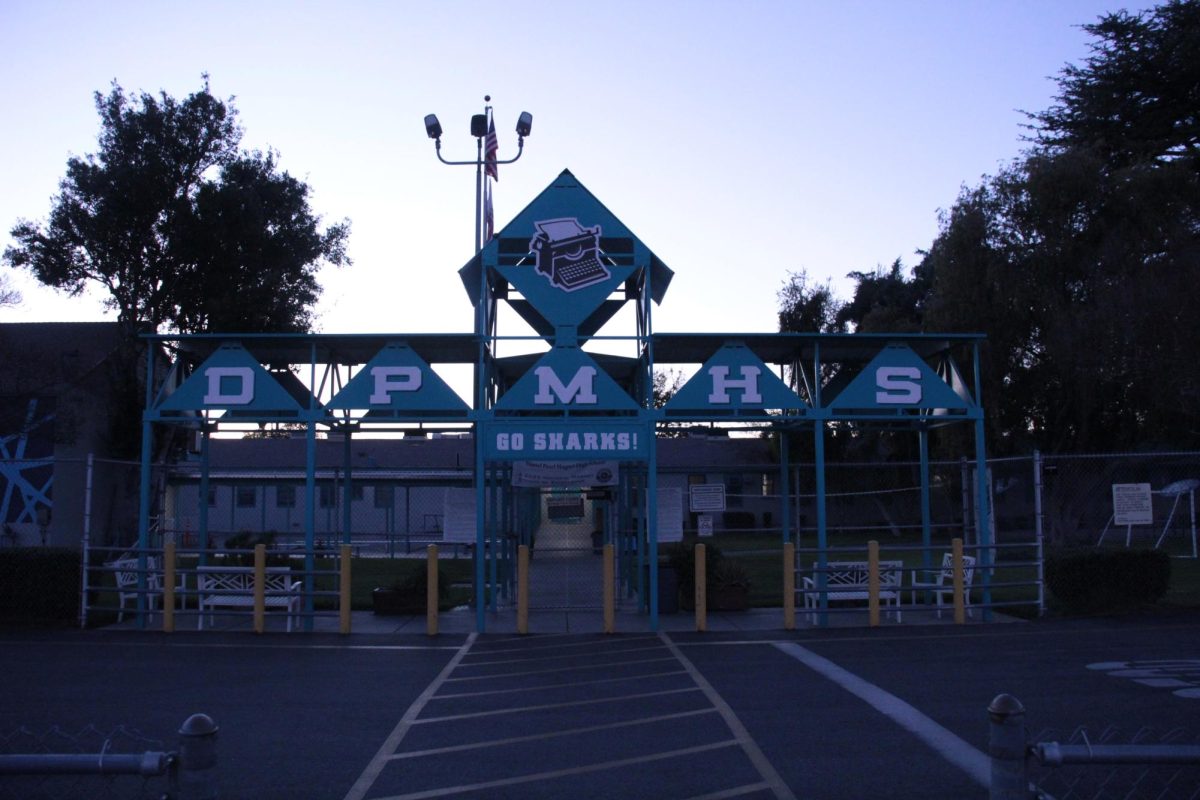
Schools typically go through the WASC accreditation process every six years, or more frequently if the WASC officials want to see improvements. The goal is not only to assess the school but also to help it continue to improve. Daniel Pearl Magnet High School received a 6-year accreditation in 2019.
A team of WASC officials, often educators at other schools throughout California, will review the school’s programs, as well as visit classrooms and interview students and staff to examine how Daniel Pearl Magnet High School supports student success.
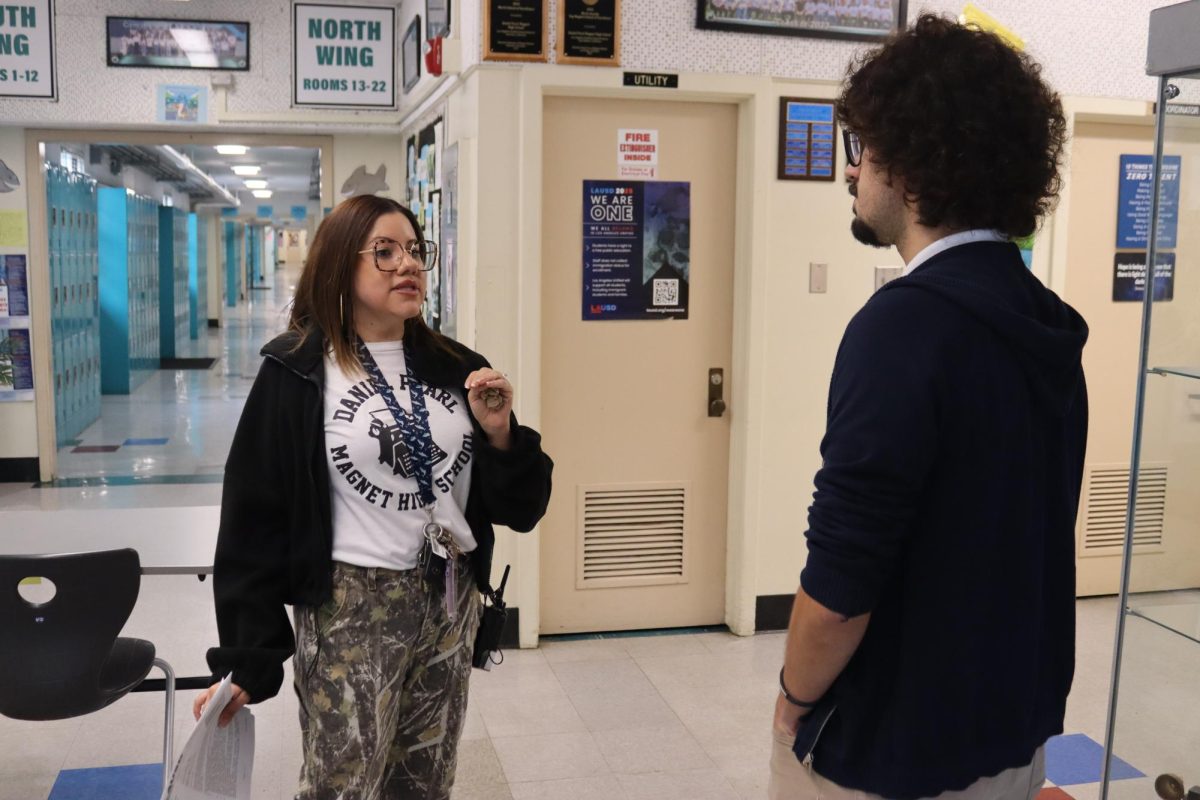
To prepare for the visit, faculty and staff have been working together for months to prepare the school. English teacher Valerie Quiroga explained that she has been working with the other staff members in a criterion group focusing on how the school uses data to improve instruction.
“(Math teacher Gonçalo Sousa), (School aide Patricia Chaidez) and I have been working on highlighting how our school uses data to build assessments in class and use research to better prepare our classes throughout different subjects,” Quiroga said. “With sophomores and seniors in particular, I look at things like iReady scores and SBA (Smarter Balanced Assessments) scores from the previous year to see how we can better serve our community.”
Quiroga is also confident in the school’s ability to do well.
“I think it’s going to go great,” Quiroga said. “Our school is very prepared. We have great leadership, especially under Ms. Fig (Principal Kimberly Figueroa-Oliveira) and she’s done a remarkable job preparing the staff.”
For students, such as freshman Benjamin Breaux, the changes have not gone unnoticed.
“I’ve seen most of the teachers revising their lesson plans, making sure that we know everything and everything is up to date,” Breaux said.
Breaux, who may be selected to speak with visiting committee members, feels a little nervous.
“I think it’s going to go pretty well,” Breaux said. “There’s nothing really bad about the school.”
Senior Serena Elkins, who is the Associated Student Body President, shares a similar view, explaining that WASC helps verify that schools are meeting learning goals and operating successfully.
“A lot of the teachers are curating their lesson plans to make sure all of us are ready to participate in discussion in class,” Elkins said.
She also noted that the school has held mock WASC visits with both parents and district representatives, making visits to the classrooms.
As the visit approaches, students and staff alike are working to showcase the school’s strengths and commitment to academic success. Elkins believes the school is ready.
“I think we’re prepared,” Elkins said. “The school is one of the best, if not the best, I’ve ever been to.”