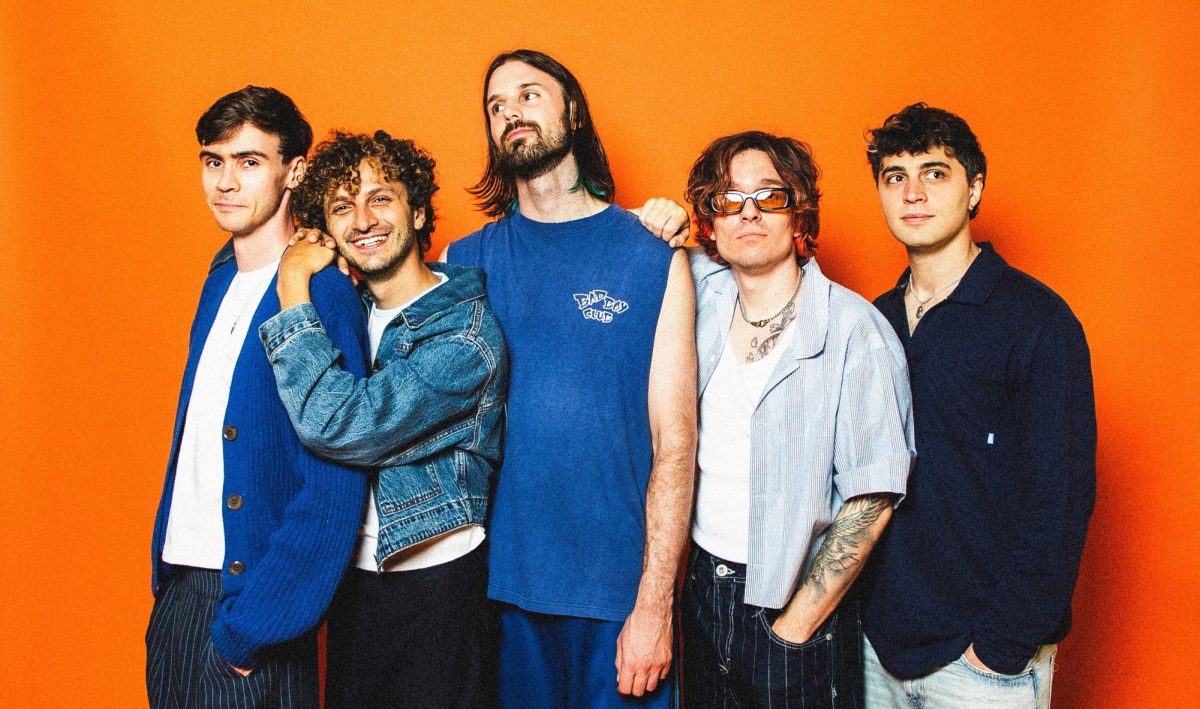

American Football’s fourth self-titled album features a wildly different sound compared to their first self-titled album released in 1999, while still keeping the same melancholic lyrical content that initially made them unique.
Their original 1999 album became legendary after its release in online spaces, influencing countless emo and indie bands despite the group’s initial breakup shortly after its release. The band is often considered a bridge between the founders of the Midwest emo genre (following earlier bands in the 90’s, such as Cap’n Jazz) and the modern revival of the genre, which brought bands such as Modern Baseball.
With the influential nature of their original album, combined with the fact that the band has been relatively quiet since 2019’s “LP3” their temporary hiatus during the early 2020’s, “LP4” was highly anticipated and fans certainly had high expectations.
The album feels larger and has a more layered sound than their earlier work. Songs like “Bad Moons” and “No Feeling” build into huge and atmospheric climaxes that are layered with soft guitars, synth textures and guest vocalists. At times, the album does drift closer to a more post-rock sound than the stripped-back Midwest emo sound that the band originally helped popularize. While this evolution is interesting, it also creates the album’s biggest flaw.
Part of what made American Football’s earlier music so impactful was how fragile it sounded. Small imperfections and awkward pauses, along with softer production, made hit songs like “Never Meant” feel personal and more genuine. On the other hand, LP4 feels polished to the point where some of the intimacy gets lost, which is one of the main things I look for in music. The production is undeniably beautiful, but sometimes too clean and meticulously constructed. There are some moments where the album feels more like a cinematic interpretation of American Football, rather than like the band itself.
Still, despite that, the album succeeds where it matters most, the lyricism. Lead singer and guitarist Mike Kinsella’s writing remains unfiltered, balancing poetic imagery with devastatingly direct emotion. Throughout the album, the lyrics feel less focused on youthful heartbreak, which is a hallmark of the genre and more focused on aging, regret and emotional exhaustion that the members of the band can relate to more now that they are more grown up. They replaced the anxious confusion that defined their earlier work with something more focused on accepting that those years are now part of a past you can’t go back to.
What makes the album interesting is just how different it is from “LP1”. To understand the album, you need to understand that although the genre they helped create has stayed stuck on teenage heartbreak and high school romance, the band, along with the lives of all its members, have changed since 1999. Both the band and their audience have aged, the emotional devastation of the music is still there, but it has become more reflective to represent less of the teenage heartbreak that affected them early on and more adult disillusionment that influences them now.
I found myself incredibly conflicted while listening to “LP4”. On one hand, I do admire how ambitious and expansive it sounds. The album, at times, is gorgeous and filled with detailed instrumentation and some of the strongest lyrical work of their 29-year career. At the same time, I really missed the rawness of their earlier work. That feeling that the songs were barely holding themselves together and how related that felt to their state of mind.
The version of American Football that released their debut album over two decades ago isn’t the same version that released “LP4” and I’d argue that it was never meant to be. This is simply the natural progression of a band growing older and moving onto topics and sounds that relate more to the stage in their lives that they are at now. Although this evolution isn’t what I expected, I believe that attempting to recreate an album written in a completely different era of their lives would have been inauthentic. Although this album is authentic to a part of their lives that I no longer personally relate to, it is still undoubtedly authentic and honest to the current moment, something that people have loved about them from 1999 to now.